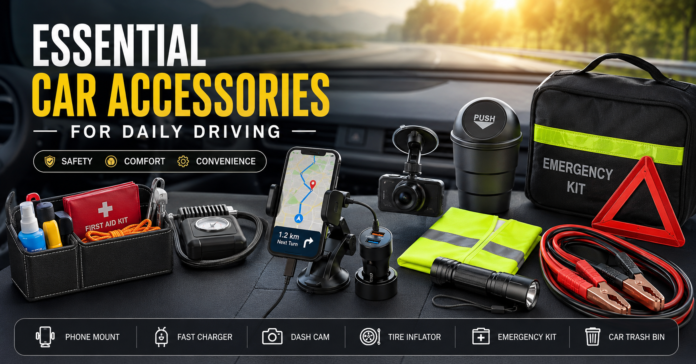
Protecting your vehicle during the monsoon requires proactive maintenance, from checking tire tread depth to inspecting wiper blades, ensuring optimal safety and performance on slick roads.
Key Takeaways
- Inspect Wipers: Replace worn blades before heavy downpours begin to maintain clear visibility.
- Monitor Tires: Ensure adequate tread depth and correct air pressure to prevent dangerous hydroplaning.
- Protect the Paint: Wash and wax your car regularly to shield the exterior from acidic rainwater and rust.
- Check Brakes: Test brake responsiveness frequently, as wet conditions significantly increase stopping distances.
- Inspect Electricals: Keep battery terminals clean and verify all headlights, taillights, and fog lights are functioning.
Why Rainy Season Car Care Matters
Driving through torrential downpours places unique mechanical stress on your vehicle. Standing water, high humidity, and acidic rainwater create a hostile environment for both the exterior and interior mechanics of your car.
When deploying a seasonal maintenance checklist, a common bottleneck is ignoring minor rubber wear or failing to clear debris from drainage channels. In practice, this means taking a preventative approach rather than waiting for dashboard warning lights to appear.
Essential Pre-Monsoon Maintenance Checklist
| Component | Inspection Frequency | Action Required |
| Tires | Bi-weekly | Check tread depth (minimum 2/32 inch) and verify PSI. |
| Wiper Blades | Monthly | Inspect for cracks, tearing, or streaking; replace annually. |
| Brakes | Before season | Test brake pads, rotors, and fluid levels for moisture. |
| Battery | Quarterly | Clean corrosion off terminals and test cranking power. |
Vision and Visibility: Wipers and Windshield Care
Visibility drops dramatically during heavy storms. If your wiper blades leave streaks or chatter across the glass, they are failing to clear water efficiently.
Pro Tip: Apply an anti-rain glass treatment to your windshield. This hydrophobic coating causes water droplets to bead up and roll off naturally at speeds above 45 mph, minimizing reliance on high-speed wiper settings.
A common oversight is neglecting the rear windshield wiper. Ensure all glass surfaces are clean and free of oily residue, which can smear when wet.
Traction Control: Tires and Hydroplaning Prevention
Water accumulation on asphalt creates a serious risk of hydroplaning, where a layer of water separates your tires from the road surface, causing a total loss of steering control.
- Tread Depth Check: Use a tread depth gauge or the classic coin test to ensure your grooves can channel water away effectively.
- Pressure Management: Maintain manufacturer-recommended tire pressure. Over-inflation reduces the contact patch, while under-inflation increases the risk of sliding.
Protecting the Undercarriage and Paintwork
Rainwater is rarely pure; atmospheric pollutants combine with moisture to form mildly acidic rain that accelerates rust formation, particularly on the undercarriage.
- Undercarriage Washing: Schedule regular washes targeting the frame and wheel wells to remove mud, dirt, and road salt accumulation.
- Wax Barrier: Apply a quality polymer wax or ceramic coating to the body paint. This creates a sacrificial protective layer that repels water and prevents particulate adhesion.
Electrical System Integrity
High humidity and deep puddles can wreak havoc on your car’s electrical architecture.
- Battery Health: Moisture can seep into micro-cracks in aging batteries, accelerating terminal corrosion. Inspect terminals and apply dielectric grease to protect connections.
- Light Checks: Verify that headlights, taillights, brake lights, and turn signals are fully operational so other drivers can see you through heavy spray.
Frequently Asked Questions
How often should I replace my wiper blades?
You should replace your windshield wiper blades every 6 to 12 months, or immediately if you notice rubber cracking, splitting, or leaving water streaks across your field of vision.
What should I do if my car starts to hydroplane?
Do not slam on the brakes or make sharp steering corrections. Ease your foot off the accelerator gently and steer straight ahead until the tires regain traction with the road surface.
Does driving in heavy rain damage the car engine?
Driving through deep floodwaters can cause hydrostatic lock if water enters the air intake, severely damaging the engine. Avoid driving through water that rises above the middle of your wheel rims.
How does rain affect tire pressure?
As ambient temperatures drop during heavy rainstorms, tire pressure naturally decreases. Check your tire pressure monthly when the tires are cold to ensure optimal handling.
Can I use regular dish soap to wash my car during the rainy season?
No, dish soap strips away protective wax coatings, leaving your car’s paint vulnerable to acidic rainwater and UV damage. Always use a pH-balanced automotive shampoo.
Maintaining your vehicle during the rainy season is essential for keeping you and your family safe on slick roads. By staying proactive with wiper replacements, tire checks, and undercarriage care, you can prevent costly repairs down the line. Take time this week to run through these maintenance steps, and drive with complete confidence no matter how hard it pours.